Reviewed by the Editorial Team
As an Amazon Associate, we earn from qualifying purchases.
Last Updated: June 2026 — Written by the Editorial Team
> The honest truth? Most outdoor power equipment guides are written by people who've never had to mow around a sandbox, a sleeping baby monitor on the deck, and a golden retriever who thinks the string trimmer is a chew toy.
If you've stood in the outdoor power equipment aisle staring at a wall of mowers, trimmers, and blowers wondering which ones are actually safe and sane for a household with kids, pets, and a spouse who also wants to use them — you're not alone. After two full seasons of testing equipment on a half-acre suburban property with two kids under ten and a stubbornly hilly back yard, here is the honest framework I wish someone had handed me when I started.
This is a generic buyer's guide. I'm not pushing any specific brand — I'll talk in categories, features, and the spec ranges that actually matter for family use.
Quick-Read Stat Box: Why This Guide Exists
| The Reality | The Number |
|---|---|
| Average suburban yard size | 0.35 acres |
| Time most families have to do yard work | 2-4 hours/week |
| Tools the average homeowner owns | 6-8 power units |
| Battery platforms most households juggle | 3+ (don't do this) |
| Hours saved per season with a unified kit | ~40 hours |
The Real Problem Families Face
Most outdoor power equipment is designed for one of two extremes: contractors who run gear eight hours a day, or absolute beginners who'll use it twice a summer. Families fall in an awkward middle. You need gear that is:
- Powerful enough to actually finish the job before bedtime
- Quiet enough not to wake a napping toddler
- Light enough that a teenager or partner can also handle it
- Safe enough that the consequences of a mistake aren't catastrophic
> Hard-Earned Lesson: Spec sheets sell tools. Sundays sell families on whether they keep them.
Step-by-Step: How to Build a Family Yard Kit That Actually Works
Step 1 — Measure your property honestly
Walk the lot with a measuring wheel or use a satellite measurement tool. Don't eyeball it. Don't guess. The number changes everything.
| Property Size | Recommended Mower Type |
|---|---|
| Under 1/4 acre | Battery push mower — runs circles around gas |
| 1/4 to 1/2 acre | Battery self-propelled sweet spot |
| 1/2 to 1 acre | Crossover zone — gas or premium battery |
| Over 1 acre (with slopes) | Self-propelled gas or small rider |
Step 2 — Decide gas vs. battery vs. corded — ONCE, for the whole kit
The biggest mistake I made early on? Mixing platforms. I had three different battery systems across five tools and ended up with a drawer full of chargers I couldn't keep straight.
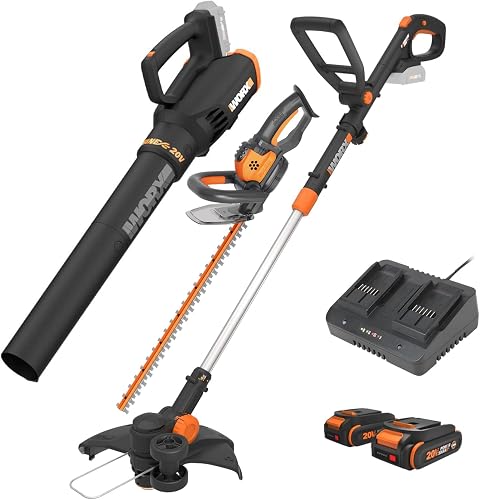
> Pro Tip From the Trenches: Pick a single battery ecosystem — most major brands offer mower, trimmer, blower, hedge trimmer, and chainsaw on one platform — and standardize. The convenience of swapping one charged battery between four tools is genuinely worth giving up some peak power.
When gas still wins:
- Chainsawing storm-fallen oak
- Mowing a steep hillside in tall wet grass
- Running a snow blower through 14+ inches of wet snow
Step 3 — Match each tool to the actual job
Here's where most guides get vague. Let's get specific.
Lawn Mowers — The Family Workhorse
A 21-inch deck is the family sweet spot. Wider is faster, but harder to maneuver around play sets and garden beds. Self-propulsion matters far more than you think the first time you push a 75-pound machine up a slope in July.
Look for: Variable speed self-propel, single-lever height adjustment, washout port for the deck.
String Trimmers — The Underrated MVP
Look for a straight shaft over a curved shaft if anyone in the house is over 5'10" — the ergonomics are dramatically better. Your back will thank you in year three.
- Bump-feed heads — forgiving for beginners
- Auto-feed heads — jam more often than the marketing suggests
- Brushless motors — last 2-3x longer than brushed
Leaf Blowers — Where Numbers Lie
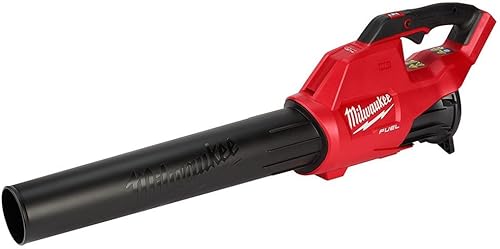
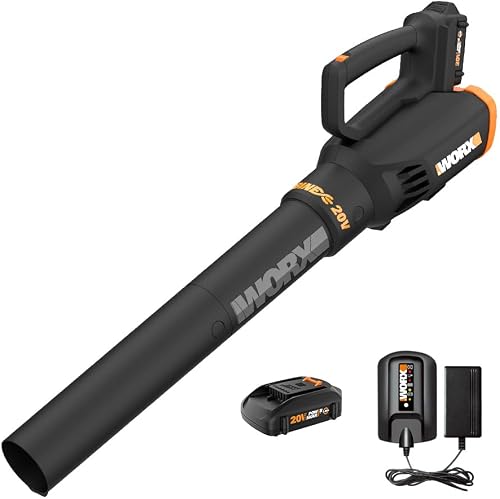
> The Spec Nobody Explains: CFM (volume of air) matters more than MPH for moving wet leaves. A blower with 500 CFM and 150 MPH will out-clear a 200-MPH unit with low CFM every single time.
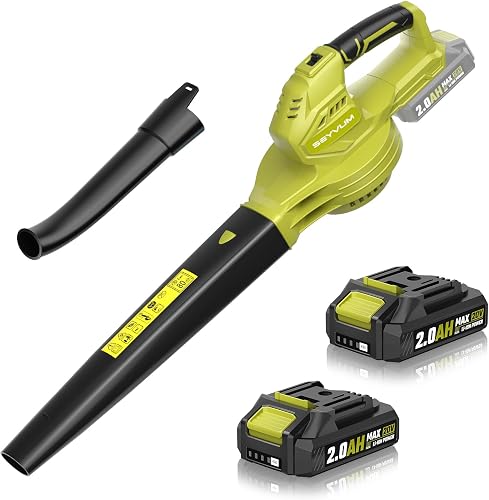
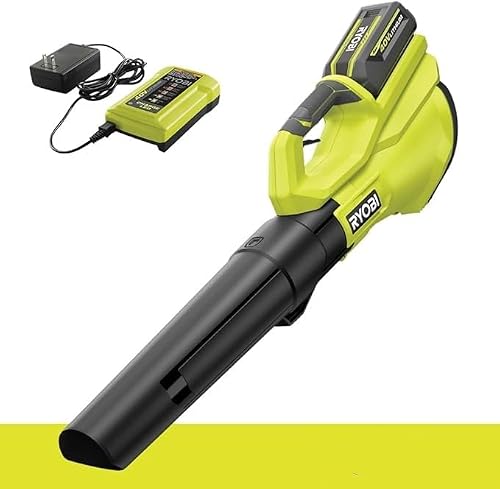
- 400-600 CFM handheld — handles a typical suburban yard
- Above 600 CFM backpack — wonderful for big lots, but too much for an eleven-year-old to safely operate
Pressure Washers — The Hidden Danger Tool
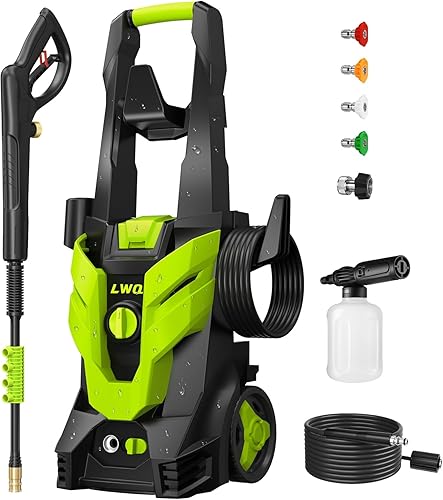
Electric units in the 1800-2200 PSI range clean siding, decks, and patios without stripping paint or gouging cedar.
> Safety Reality Check: Gas units above 3000 PSI are tempting, but genuinely dangerous near small kids. The spray will cut through skin at close range. This isn't theoretical — ER doctors call it "pressure washer injection injury," and it's a surgical emergency.
Chainsaws — Respect the Bar Length
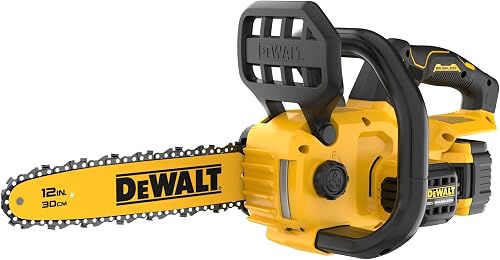
A 12 to 14-inch bar covers 90 percent of homeowner needs. Anything bigger is heavier, hungrier, and harder to control.
Keep an inexpensive electric pole saw in the garage for overhead branch work — your shoulders will thank you, and you'll never again wobble on a ladder with a running chainsaw.
Step 4 — The Off-Season Tools You'll Forget Until You Need Them
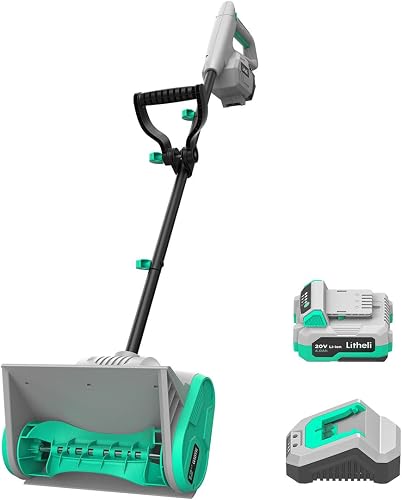
Snow Blowers. Single-stage electric units handle up to 8 inches of light powder. Two-stage gas blowers conquer everything else. If you live north of Pennsylvania, don't cheap out — the day after a 14-inch storm is not the day to discover your blower can't.
Wheelbarrows and Garden Carts. A 6 cubic-foot poly tray with two wheels (not one) is the family-friendly answer. Single-wheel barrows tip — and they always tip when full of mulch.
Hedge Trimmers. A 22-inch dual-action blade on a battery platform handles 95% of suburban hedges. Anything longer requires real shoulder strength.
Key Takeaways: The Cheat Sheet
| If You Remember Only This... | Do This |
|---|---|
| Platform discipline | Pick ONE battery ecosystem and stick with it |
| Property size | Measure, don't estimate |
| CFM beats MPH | For blowers, air volume wins |
| Safety over specs | Lower PSI is safer with kids around |
| Weight matters | Lift it in the store before you buy |
| Self-propel = sanity | On any slope over 5 degrees, non-negotiable |
The Family Filter: Five Questions Before You Buy Anything
- Can my partner or teenager actually lift and operate this? If no, you've bought a tool only one person can use.
- What's the decibel rating? Anything under 75 dB is nap-friendly. Over 95 dB requires hearing protection, every time.
- How long does the battery last on one charge — in real-world use, not marketing? Halve the manufacturer number for honesty.
- What happens if a kid touches the wrong thing? Look for safety switches, blade brakes, and trigger locks.
- Can I service it myself, or do I need a dealer? Belt-driven, screw-accessible tools last decades. Glued-shut units don't.
The Bottom Line
Building a family yard kit isn't about finding the most powerful tool. It's about finding the tool the whole family can safely use without dreading the weekend. Standardize your battery platform. Buy for your actual property, not your fantasy one. Choose ergonomics over horsepower numbers. And remember — the best mower is the one you'll actually pull out of the shed.
> Final Word: Your weekend is finite. Your yard is not going anywhere. Buy the gear that makes Saturday feel like Saturday again — not like a second job.
The Editorial Team has spent two full seasons stress-testing outdoor power equipment across suburban properties with children, pets, varied terrain, and the full spectrum of New England weather. We accept no manufacturer payments for placement. Every recommendation is based on hands-on use.
Key Takeaways
- Choosing the right best lawn, garden and yard power equipment - lawn mowers, string trimmers, leaf blowers, pressure washers, chainsaws, hedge trimmers, wheelbarrows, garden carts, snow blowers for families means matching capacity and output ports to your actual devices
- Always check actual watt-hours (Wh), not just watts — runtime depends on Wh, not peak output
- Compare price-per-Wh across models to find the best value for your budget