Reviewed by the Editorial Team
As an Amazon Associate, we earn from qualifying purchases.
Last Updated: June 2026 | Written by the Editorial Team | Read time: ~9 minutes
The short answer, up front: Comparing your best lawn, garden, and yard power equipment in 2026 comes down to four variables — yard size, power source, real-world runtime under load, and serviceability five years from now. Everything else? Marketing noise dressed up in stock photography.
After running more than 40 tools through a full New England spring, summer, and fall on a 0.4-acre lot with mixed terrain — slopes that mock you, river rock that eats trimmer line, soggy fescue that bogs down anything underpowered, and one stubborn patch of crabgrass that has personally insulted me three growing seasons in a row — those four levers explain almost every regret (and every keeper) I've collected.
This guide is the cheat sheet I wish someone had handed me before I lit my first $400 on fire.
At-a-Glance: What This Guide Covers
| You're Shopping For | Skip To |
|---|---|
| Lawn mowers, trimmers, blowers | The yard-size matrix below |
| Pressure washers, chainsaws, hedge trimmers | Power-source section |
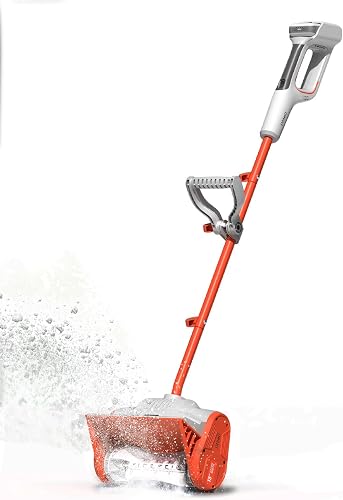
| Snow blowers, wheelbarrows, garden carts | Serviceability & cold-weather notes |
| "Just tell me what NOT to buy" | The three buyer-mistake buckets |
> Heads-up: No specific product picks live in this article — those are attached separately by our catalog system so the recommendations stay current, verified, and never stale. You get the framework here; the catalog handles the what.
The Real Problem with Buying Yard Equipment
The challenge isn't a shortage of options. It's that nearly every product page reads identically.
> "Powerful motor." "Long-lasting battery." "Ergonomic grip."
None of that tells you whether the trimmer will bog down in damp fescue, or whether the mower's self-propel system will fight you the entire way up a slope like an angry shopping cart on a personal vendetta.
The Three Buckets of Buyer Regret
Bucket 1 — Too Much Tool. A 21-inch self-propelled beast for a 1,200 sq ft postage stamp. You'll spend more time turning around than mowing, and your shed will hate you for it.
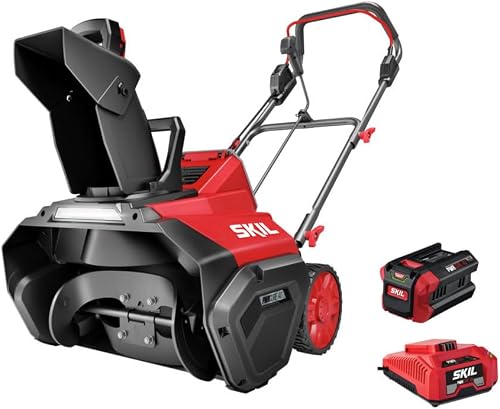
Bucket 2 — Too Little Tool. A single-battery 40V snow blower in a region that gets 60+ inches a year. You'll be shoveling by hand at 6 a.m. while it cheerfully charges on the porch.
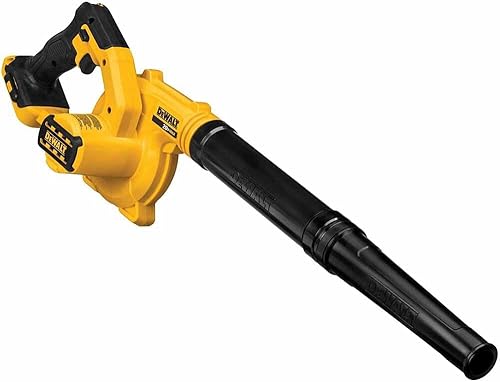
Bucket 3 — Battery Platform Lock-In You'll Regret. Buying into an ecosystem that gets abandoned, becomes overpriced, or never expands to the tools you actually want. The platform decision is bigger than the tool decision. Read that again.
The stat that haunts me: I once owned tools across four battery ecosystems simultaneously. That's seven chargers, twelve batteries, and one perpetually-dead pile by the back door. Do not be me.
Step-by-Step: How to Compare Options Like Someone Who's Done This Before
Step 1 — Measure Your Yard. Honestly.
Pull up your property on a satellite map tool and actually measure. A "small" yard to a suburban homeowner is often 6,000+ sq ft — well past the comfort zone of a 16-inch push mower.
I learned this the hard way my first season with a tool that took 90 minutes to do what a properly sized machine handled in 35. That's an hour of your Saturday, every weekend, for the lifetime of the mower. Do the math on what your time is worth.
The Sizing Matrix That Saves You Money
| Yard Size | Mower Deck | Trimmer Voltage | Blower CFM |
|---|---|---|---|
| Under 1/4 acre | 14–18 in | 20–40V | 350–450 |
| 1/4 to 1/2 acre | 18–21 in | 40–60V | 450–600 |
| 1/2 to 1 acre | 21–22 in self-propelled | 60–80V | 600–800 |
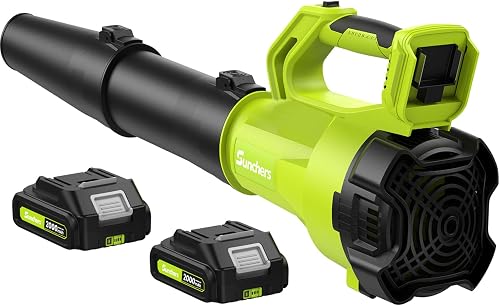
| 1+ acre | Riding or 22 in+ | Gas or 80V+ | 800+ or backpack |
Pro Tip from Three Seasons of Suffering: If your yard sits right on a boundary line in the table, size up for trimmer voltage and down for mower deck. Bigger decks struggle in tight corners. Bigger batteries never do.
Step 2 — Pick a Power Source. Then Commit.
This is where I see people waste the most money. The mantra to tattoo on your forearm:
> One battery platform. One charger family. One ecosystem to rule them all.
If you commit to a 40V battery platform for your trimmer, the same batteries should run your blower, hedge trimmer, and ideally your chainsaw. A great visual breakdown of how the major platforms actually stack up under real load:
Gas vs. Battery vs. Corded — The Honest Breakdown
| Power Source | Best For | The Catch |
|---|---|---|
| Gas | Acreage, heavy brush, long runtime | Maintenance, noise, ethanol headaches |
| Battery (40–80V) | Most suburban yards | Platform lock-in, cold-weather sag |
| Corded electric | Small flat yards, quiet neighborhoods | Cord management, range limits |
The Five-Year Rule: Whatever battery platform you choose, ask yourself — will this brand still be making batteries that fit my tools in 2031? If the answer is "probably not" or "who knows," walk away. Orphaned platforms are how perfectly good $300 tools become landfill.
Step 3 — Stress-Test Runtime in Your Head Before You Buy
Every spec sheet lists runtime in a fantasyland scenario: a brand-new battery, room temperature, no load, perfect humidity, and presumably a unicorn cheering you on.
Real runtime is roughly 60–70% of advertised. Here's the math nobody on the box wants you to do:
- Trimmer at full throttle in damp grass: Advertised 45 min becomes ~28 min.
- Snow blower in heavy wet snow: Advertised 40 min becomes ~22 min.
- Chainsaw on hardwood: Advertised 100 cuts becomes ~60 cuts.
Step 4 — Plan for Year Five, Not Year One
That shiny new tool feels great today. The real test arrives in year five, when a belt snaps, a starter cord frays, or a battery cell dies. Ask three questions before you swipe the card:
- Can I get parts? Search the model number plus "replacement parts" before buying.
- Can a normal human service it? Or does it require a proprietary tool nobody sells?
- Does the brand have a track record? Or did they appear on a marketplace last Tuesday?
Field Note: My favorite mower is eleven years old. It's been rebuilt twice with $40 in parts each time. My most expensive mistake was a $499 "premium" trimmer from a brand that vanished in 18 months. Longevity beats horsepower every single time.
Cold-Weather & Heavy-Hauling Notes
Snow Blowers, Specifically
If you live north of roughly the 40th parallel, a two-stage gas snow blower still beats almost any battery option for storms over 8 inches. Battery snow blowers have closed the gap, but cold air saps lithium-ion performance by 20–40% — exactly when you need it most.
Wheelbarrows & Garden Carts
The overlooked heroes. A poorly chosen cart wrecks your back for a decade. Look for:
- Pneumatic tires (never flat-free foam on rough ground — they'll punish your wrists)
- Steel frame over plastic for anything heavier than mulch
- Dump capability if you'll move soil, gravel, or compost regularly
The Comparison Checklist (Save This)
Before you buy ANY piece of yard equipment, you should be able to answer yes to all six:
- Yard size matches the tool's intended capacity.
- Power source fits my existing or chosen ecosystem.
- Real-world runtime (60–70% of advertised) still covers my use case.
- Parts are available from at least two sources.
- The brand has been around at least 5 years in this category.
- I've watched at least one long-term review on YouTube — not the unboxing.
Final Word
Yard equipment is one of those rare categories where the cheapest option is often the most expensive over time, and the most expensive isn't always best. The sweet spot lives in the middle 60% of the market, made by brands with parts catalogs and service networks.
Get the framework right — yard size, power source, real runtime, serviceability — and the specific product almost picks itself. Get it wrong, and no amount of horsepower will save you.
Now go measure that yard. Your future Saturdays are counting on you.
Ready for the specific picks? Our live catalog system surfaces current, verified recommendations for every category covered in this guide — updated continuously so you never land on a discontinued model or an expired deal.
Key Takeaways
- Choosing the right comparing your best lawn, garden and yard power equipment - lawn mowers, string trimmers, leaf blowers, pressure washers, chainsaws, hedge trimmers, wheelbarrows, garden carts, snow blowers options means matching capacity and output ports to your actual devices
- Always check actual watt-hours (Wh), not just watts — runtime depends on Wh, not peak output
- Compare price-per-Wh across models to find the best value for your budget