Top Picks

Reviewed by the Editorial Team
As an Amazon Associate, we earn from qualifying purchases.
Last Updated: June 2026 | Written by the Editorial Team | Read time: 8 minutes
> THE 30-SECOND ANSWER: To winterize a snow blower, stabilize the fuel and run the engine until the carburetor is dry (or drain the fuel system entirely). Then change the oil, lubricate moving parts, inspect the auger and belts, and store the machine in a dry, covered space. Skip a single step, and you'll be the one yanking a frozen pull-cord next November while your neighbor casually clears their driveway in slippers.
I've made every single mistake on this list. Every. Single. One.
The worst? A $187 carburetor rebuild after I let ethanol-blended gas sit in the tank for seven months. The shop owner literally laughed when he pulled out the gummed-up bowl. Don't be me in 2026. Here's exactly how to do this right — the first time.
The Quiet Killers: Why Off-Season Storage Actually Matters
Your snow blower sits idle roughly 8 months a year across most of the U.S. During that long, lonely off-season, three silent saboteurs go to work:
| The Threat | What It Does | Cost If Ignored |
|---|---|---|
| Ethanol fuel separation | Gums up the carburetor jets | $150 - $250 |
| Crankcase condensation | Rusts cylinder walls from the inside | $200 - $400 |
| Rubber degradation | Cracks belts, paddles, and friction discs | $40 - $120 |
> THE BRUTAL MATH: A proper winterization routine takes about 90 minutes and costs maybe $15 in supplies. Skip it, and you're looking at $150 to $400 in repairs — plus a 4-to-6-week wait at the small-engine shop once the first storm hits. I've sat in that queue. It is not fun.
Step-by-Step: The Pro-Level Winterization Playbook
Step 1: Deal With the Fuel (The Single Most Important Step)
This is where 9 out of 10 spring-startup disasters begin. You have two solid choices, and both work beautifully when done right:
OPTION A — Stabilize and Run (My Preferred Method)
Add a quality snow blower fuel stabilizer to a full tank at the dose listed on the bottle (typically 1 oz per 2.5 gallons). Run the engine for 5 to 10 minutes so treated fuel actually reaches the carburetor — this is the step most folks skip.
> PRO TIP: A full, stabilized tank beats a half-empty one every time. Less air space = less condensation = less rust.

OPTION B — Drain It Bone Dry
Siphon the tank into an approved gas can, then run the engine until it sputters out. Some shops swear by this method for two-stage blowers stored in unheated sheds.
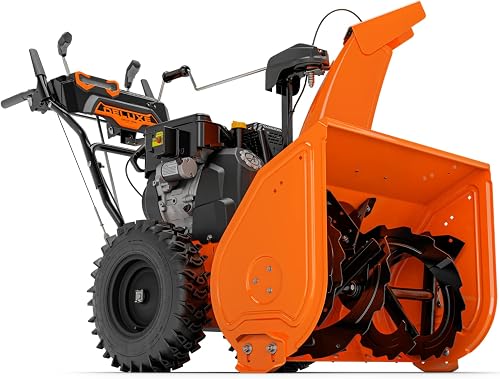
I've used both approaches on my Toro 824 over the years, and honestly? I prefer stabilization — a dry carb gasket can shrink and crack over a long off-season.
> THE RULE YOU CAN'T BREAK: Never store untreated ethanol fuel for more than 30 days. I learned that one the expensive way.
Step 2: Change the Oil (Now — Not in Fall)
Here's a counterintuitive truth: changing oil at the END of the season is what the pros recommend, not at the beginning. Why? Used oil is loaded with acids and moisture from combustion — and that cocktail will quietly corrode your engine internals over months of dormancy.
The 14-Minute Process:
- Warm the engine for 2 to 3 minutes (thins the oil for a cleaner drain)
- Drain into a catch pan
- Refill with the correct grade — typically SAE 5W-30
- Check the dipstick
- Done.
| Snow Blower Type | Oil Capacity |
|---|---|
| Single-stage | 12 - 20 oz |
| Two-stage | 20 - 32 oz |
| Three-stage / commercial | 32 - 40 oz |
Always cross-check your owner's manual for the exact spec.
Step 3: Spark Plug Service (The 5-Minute Insurance Policy)
Pull the spark plug and inspect the electrode for fouling. Either clean it with a wire brush or replace it outright — new plugs run $4 to $8 and there's no reason to be cheap here.
The Magic Move That Saves Your Cylinder:
Before reinstalling the plug, squirt about a teaspoon of fresh engine oil into the cylinder and pull the recoil starter slowly two or three times. This coats the cylinder walls with a protective film and prevents rust during the long off-season hibernation.
Reinstall the plug, but leave the wire disconnected. This prevents accidental starts during spring inspection.
Step 4: Lubricate the Auger and Drive System
This is where the machine quietly thanks you all winter long.
The Checklist:
- Inspect shear pins — replace any bent or stressed pins now
- Spin the auger by hand — it should rotate smoothly with no grinding
- Grease everything moving — auger shaft, axle bearings, chute crank
- Use marine-grade lithium grease — it stands up to moisture (a $9 grease gun pays for itself)
- Check rubber paddles on single-stage units — if the wear indicator is showing, replace NOW (not in October when shops are mobbed)
Step 5: Belt and Cable Inspection
Look hard at the drive belts and auger belts. You're hunting for:
- Cracks across the ribs
- Glazed, shiny surfaces (a sign of slipping)
- Frayed edges or missing chunks
- Stretching beyond spec
The Storage Setup That Keeps Your Machine Mint
Where you park it matters almost as much as how you prep it.
THE IDEAL STORAGE CHECKLIST:
- Dry, covered space (garage, shed, basement)
- Off concrete if possible — use a wooden pallet or rubber mat
- Breathable cover, NOT plastic (plastic traps condensation)
- Away from corrosive materials (pool chemicals, fertilizer, rock salt)
- Wheels and skid shoes elevated slightly to prevent tire flat-spotting
The Winterization Mistakes That Cost Real Money
> THE TOP 5 KILLERS: > > 1. Leaving untreated ethanol fuel in the tank for months > 2. Skipping the end-of-season oil change because "it still looks clean" > 3. Storing the machine outdoors under a plastic tarp > 4. Forgetting to disconnect the spark plug wire before maintenance > 5. Procrastinating on belt and paddle replacement until the first snowfall
Every one of these is preventable in under an hour.
Frequently Asked Questions
Q: What if I forgot to winterize last year? If it won't start in October, the most likely culprit is a gummed carburetor. Try fresh fuel and a carb cleaner additive first. If no luck, expect a $100-$200 shop visit.
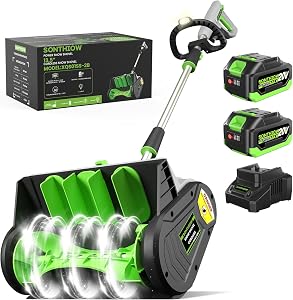
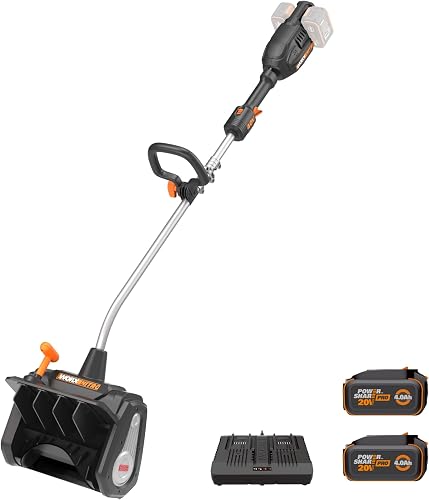
Q: Do electric snow blowers need winterizing? Much less — just remove the battery, store it at room temperature at about 40-60% charge, and keep the machine dry. No fuel, no carburetor, no drama.
Q: Is fogging oil necessary? For long-term storage (6+ months) in humid climates, yes. A $5 can of fogging oil sprayed into the cylinder is cheap insurance against corrosion.
The Bottom Line
Ninety minutes today. Fifteen dollars in supplies. A machine that starts on the first pull next November.
Your future self — the one shoveling 14 inches of fresh powder while the neighbors curse their dead snow blowers — will absolutely thank you.
> REMEMBER: Snow blowers don't die from use. They die from neglect during the 8 months they're not being used. Winterize like you mean it, and you'll get 15+ years out of a machine that the average homeowner replaces every 7.
Now grab that grease gun. Spring storage starts today.
Key Takeaways
- Choosing the right how to winterize a snow blower means matching capacity and output ports to your actual devices
- Always check actual watt-hours (Wh), not just watts — runtime depends on Wh, not peak output
- Also covers: snow blower fuel stabilizer
- Also covers: snow blower off-season storage
- Also covers: snow blower oil change
- Compare price-per-Wh across models to find the best value for your budget