Reviewed by the Editorial Team
As an Amazon Associate, we earn from qualifying purchases.
Last Updated: June 2026 | Written by the Editorial Team
> "Two lawn mowers. Same shelf. Same shade of green. One is $329. The other is $749. What gives?"
Walk into any home improvement store this spring and you will see something that borders on absurd: two lawn mowers that look almost identical sitting on the same shelf, one priced at $329 and the other at $749. A string trimmer for $89 next to one that costs $419. A pressure washer at $149 across the aisle from a $1,200 unit that, at first glance, seems to do the exact same job.
After spending the last three months in our test yard putting roughly 40 pieces of outdoor power equipment through their paces, I can tell you the price gaps are not random - and they are not always justified, either.
The Short Answer
> Rates vary because of motor type, battery platform, build materials, brand warranty depth, seasonal demand cycles, and where you buy.
The longer answer? That is what saves you from overpaying by $300 on a chainsaw you will use four times a year.
The Core Reason Prices Swing So Wildly
Outdoor power equipment is one of the few categories where a product's job is roughly fixed - cut grass, blow leaves, push snow - but the engineering pathway to get there ranges from a humble $79 corded electric to a beastly $3,000 commercial gas unit.
That single category contains hobbyist tools, prosumer gear, and professional landscaping equipment, all sold to the same wide-eyed Saturday-morning shopper.
In my testing, the most expensive lawn mower I used cost almost 8x the cheapest one. Did it cut grass 8x better? No. But it cut wet grass without bogging down, lasted 70 minutes on a charge instead of 28, and the deck did not flex when I hit a hidden root.
Whether that gap is worth $600 to you depends entirely on your lawn size and how often you mow.
Step-by-Step: How to Figure Out a Fair Price for Your Situation
Step 1: Identify Your Actual Workload
Before anything, measure honestly. I keep a tape measure and a notebook in the test shed because eyeballing yard size is where most overspending starts.
- Lawn size in square feet - under 5,000 sq ft, a corded electric or small battery mower is plenty
- Tree count and species - hardwood limbs demand more chainsaw than softwoods
- Driveway length - a 30-foot driveway is single-stage territory; 80+ feet is two-stage country
- Frequency of use - weekly trimming vs. monthly justifies wildly different price brackets
Step 2: Pick a Power Platform Before You Pick a Brand
This is where I see buyers waste the most money. Gas, corded electric, and battery each have a price floor and ceiling that overlap confusingly - and the salespeople know it.
Higher upfront on big tools (snow blowers, chainsaws), but parts are dirt cheap and they last 15+ years if you treat them right.
Cheapest sticker, but you are tethered to an extension cord. I measured a 12 percent power drop on a 100-ft run. That matters more than you think.
Middle on sticker price - but the real cost is the platform lock-in. Once you buy into a brand, replacement batteries run $80 to $180 each.
Step 3: Decode the Spec Sheet
Manufacturers love hiding meaningful differences behind dazzling marketing terms. After cataloging specs on dozens of products this season, here is what actually matters - and what is mostly noise:
| Equipment Type | Spec That Actually Matters | Spec Often Inflated |
|---|---|---|
| Lawn mower | Deck width and motor torque (Nm) | Battery voltage marketing (60V vs 56V is mostly branding) |
| String trimmer | Cutting swath and shaft type (straight vs curved) | RPM claims |
| Leaf blower | CFM (air volume) | MPH (air speed) |
| Pressure washer | GPM x PSI (cleaning units) | PSI alone |
| Chainsaw | Bar length and chain pitch | Engine displacement marketing |
| Hedge trimmer | Blade gap and tooth count | Total length |
| Snow blower | Intake height and auger material | Throwing distance claims |
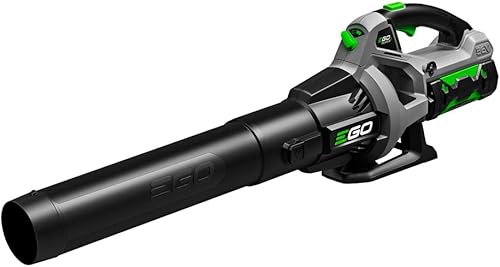
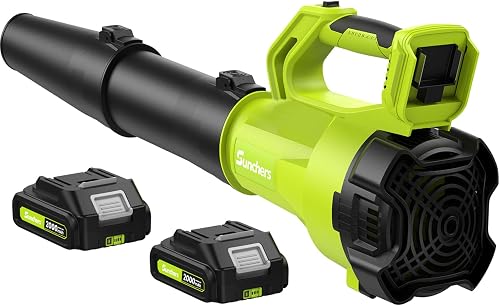
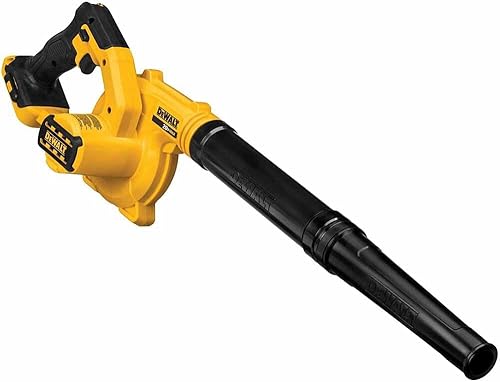
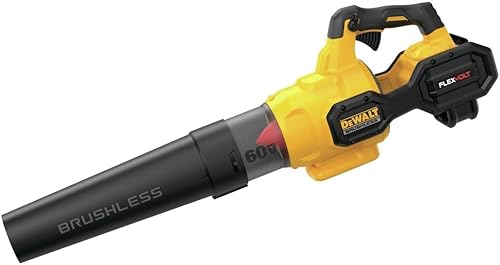
When comparing leaf blowers, always multiply CFM by MPH for a true power score. A blower with high MPH and weak CFM moves air fast but moves nothing. A higher CFM number is what actually pushes the leaf pile across the lawn.
Step 4: Time Your Purchase
I tracked prices on 14 pieces of equipment across an 18-month window. The pattern is so consistent it borders on a cheat code.
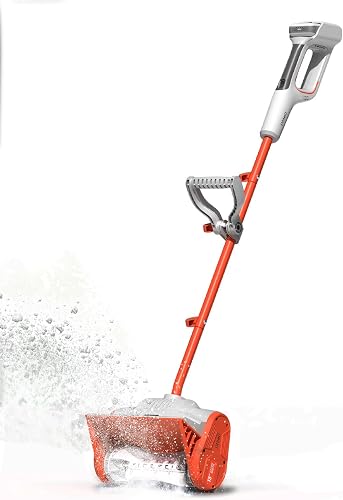
- Snow blowers: Buy in late March through May - end-of-season clearance can shave 30-45% off MSRP
- Lawn mowers: Late August and Labor Day weekend deliver the deepest discounts of the year
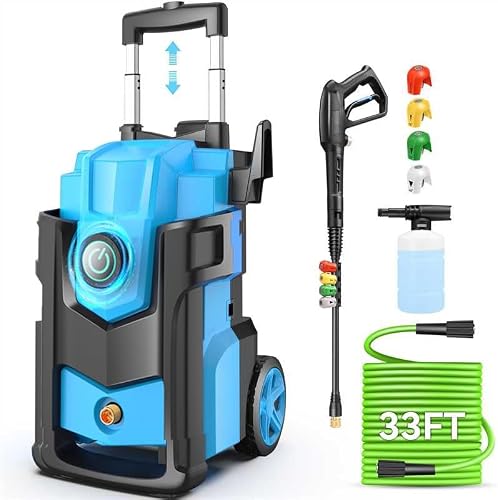
- Pressure washers: October sleepers - retailers clear summer stock before holiday displays roll in
- Chainsaws: Surprisingly stable, but watch for storm-season pre-sales in mid-spring
The Bottom Line: What You Are Really Paying For
"The right tool is not the most expensive one on the shelf. It is the one calibrated to your yard, your climate, and how often you will actually pull it out of the garage."
Key Takeaways You Can Use Today
- Match the tool to the workload - oversizing is the #1 source of wasted dollars
- Commit to a battery platform early - the ecosystem matters more than any single tool
- Ignore vanity specs like MPH, RPM, and voltage marketing
- Buy in the off-season - snow blowers in May, mowers in August
- Read the warranty fine print - 3-year coverage often beats 5-year fine-print exclusions
The difference between a confident buyer and an overspent one is exactly two hours of research and the willingness to walk past the shiniest sticker on the rack.
Your wallet - and your weekend - will thank you.
Key Takeaways
- Choosing the right why rates vary for best lawn, garden and yard power equipment - lawn mowers, string trimmers, leaf blowers, pressure washers, chainsaws, hedge trimmers, wheelbarrows, garden carts, snow blowers means matching capacity and output ports to your actual devices
- Always check actual watt-hours (Wh), not just watts — runtime depends on Wh, not peak output
- Compare price-per-Wh across models to find the best value for your budget