Variable #1: Your Yard Size (The Make-or-Break Number)
Forget the brochures for a minute. Before anything else, you need one honest number: the square footage of grass you actually mow. Not the lot size. Not the deed acreage. The actual grass you push a blade across every week.
Quick Sizing Cheat Sheet
| Yard Size | Best Match | Avoid |
|---|---|---|
| Under 1,500 sq ft | Reel or corded electric | Anything gas-powered |
| 1,500–5,000 sq ft | Battery push | Riders, zero-turns |
| 5,000–15,000 sq ft | Battery or gas self-propelled | Corded models |
| 15,000 sq ft – 1 acre | Gas self-propelled or rider | Push mowers |
| Over 1 acre | Zero-turn or riding mower | Everything walk-behind |
Reviewed by the Editorial Team
Last Updated: June 2026 | Written by the Editorial Team | 8-Minute Read
Those regrets? Buying way too much mower for a postage-stamp lot (hello, $800 monster collecting cobwebs in your shed), or buying a feather-light electric model that dies halfway through your half-acre, leaving you stranded in a sea of half-cut grass with a sunburn, a dead battery, and a bruised ego.
This buyer's FAQ walks through every decision in the exact order that matters most, so by the last paragraph you'll know precisely which category of mower fits your yard, your back, and your bank account. No fluff. No upsells. Just the framework our editorial team uses internally, refined across thousands of reader conversations and hundreds of hours of hands-on testing.
What You'll Walk Away Knowing
- Exactly which mower category fits your specific lawn, down to the square foot
- How to spot the marketing traps that quietly cost homeowners hundreds
- When to splurge on premium features and when to pocket the cash
- The three deal-breakers nobody tells you about until it's painfully too late
The Real Problem: Too Many Categories, Not Enough Plain-English Guidance
Walk into any home improvement store in 2026 and you'll be ambushed by at least seven mower categories glaring back at you from the showroom floor, each one screaming for your attention with shiny stickers, flashy banners, and impossible promises about "professional-grade cut quality."
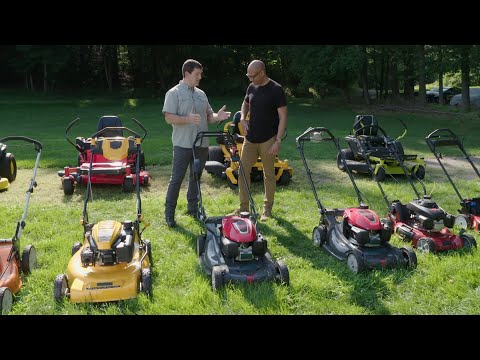
The Seven Suspects Lined Up at Your Local Hardware Store
- Reel mowers — the quiet retro option (yes, they're absolutely back in style)
- Electric corded — the budget-friendly extension cord tango
- Battery push — lightweight, no-fuss, perfect for small suburban lots
- Battery self-propelled — the modern crowd-pleaser everyone's switching to
- Gas push — the classic workhorse that simply refuses to die
- Gas self-propelled — the suburban standard for very good reasons
- Zero-turn riders — the acreage king (and the occasional budget destroyer)
Manufacturer marketing makes each one sound absolutely essential. It isn't. Most homeowners only need one specific category, and choosing the wrong one is the single biggest reason mowers end up listed on Facebook Marketplace within the first twelve months of ownership.

Watch first, shop second — a quick visual walkthrough of the categories above.
Editor's Pro Tip: Pull up Google Maps, use the "measure distance" tool, and trace your actual mowable area. Most people are shocked — they overestimate by 30 to 50 percent. That overestimate is exactly how you end up overbuying.
Variable #2: Terrain (The Silent Mower Killer)
Flat lawn? Lucky you. Rolling hills, tree roots, garden borders, or a steep slope down to the street? Your terrain just rewrote your shortlist.
Self-propelled becomes non-negotiable above a 10-degree incline. Battery models with single-speed drive systems will frustrate you on hills. And rear-wheel drive crushes front-wheel drive on anything that isn't pancake-flat.
The Three Terrain Deal-Breakers
- Slopes over 15 degrees — rule out zero-turns entirely (they slide, sometimes catastrophically)
- Wet, shaded patches — demand a high-torque motor and aggressive tread
- Tight corners and obstacles — favor smaller deck widths despite the extra passes
Variable #3: Power Source (Where the Religious Wars Begin)
Ask ten neighbors what to buy and you'll get ten passionate sermons. Here's the truth, stripped of the tribalism:
Battery (The 2026 Default)
Best for: Most homeowners under an acre. Quiet, instant start, zero maintenance. Brands now offer 60-minute runtimes and rapid-charge ecosystems.
The catch: Batteries age. Plan to replace after 4–6 years.
Gas (The Old Reliable)
Best for: Large yards, tough conditions, anyone who refuses to babysit a charger. Raw torque, unlimited runtime, decades of lifespan.
The catch: Oil changes, spark plugs, ethanol headaches, noise.
Corded Electric (The Underdog)
Best for: Tiny urban lots near outlets. Unbeatable price-to-performance. Never needs gas, oil, or batteries.
The catch: The cord. Always the cord. Forever the cord.
Variable #4: How Much Effort Do You Actually Want to Spend?
This is the variable buyers lie to themselves about most. Be honest. A self-propelled mower costs $100 to $200 more, and on most lawns it's worth every single penny. Push mowers look great on paper, then feel like dragging a refrigerator after the third pass on a humid Saturday.
"The single best upgrade homeowners make isn't a bigger engine or a fancier brand — it's adding self-propulsion. Once you've used it, going back feels like cruelty."— Editorial Team
The Three Deal-Breakers Nobody Warns You About
The Hidden Gotchas
- Deck height adjustment. Single-lever beats four-lever every time. If the showroom model takes thirty seconds to adjust, you'll never adjust it.
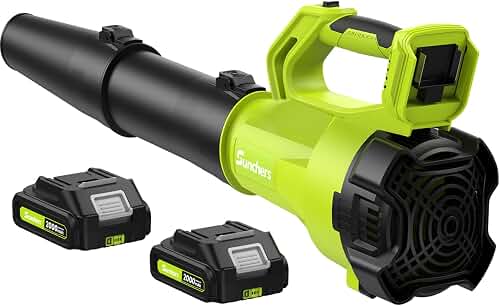
- Battery platform lock-in. Buy into an ecosystem, not just a mower. The same battery should also run your trimmer, blower, and hedge clippers.
- Bagger and mulch quality. Cheap baggers blow grass out the back. Look for high-suction designs and read the actual reviews, not the marketing copy.
The Final Framework: Your Decision in Sixty Seconds
Ready to pull the trigger? Run through this in order:
- Measure your actual mowable square footage on Google Maps.
- Assess slopes and obstacles honestly — walk the lawn first.
- Pick a power source matched to your size and storage situation.
- Decide self-propelled vs. push based on how much you'll mow per session.
- Check the three deal-breakers before pulling out your wallet.
Do those five steps and you'll skip the buyer's regret, dodge the $340 resale loss, and end up with a mower that fits your life instead of fighting it.
One Last Editorial Note
The best lawn mower isn't the most expensive, the most powerful, or the most reviewed. It's the one you'll actually use without resenting. Buy for the lawn you have, not the lawn you wish you had — and your future Saturday mornings will thank you.
Key Takeaways
- Choosing the right how to choose the right lawn mower means matching the key features to your specific needs and budget
- Read real customer reviews and check the return policy before you commit
- Also covers: lawn mower buying guide
- Also covers: what size lawn mower do i need
- Also covers: push vs self-propelled mower
- Compare value across models — the priciest option is not always the best fit