The No-Nonsense FAQ on Lawn, Garden & Yard Power Equipment: What Actually Lasts (and What's Pure Spec Theater)
A brutally honest FAQ on lawn and garden power equipment — mowers, blowers, chainsaws, and more, built from published sp...
5 min read
Editorially Reviewed
Reviewed by the SFPost Editorial Team
Last Updated: June 2026 | Written by the SFPost Editorial Team
Manufacturer product photo — faq: best lawn, garden and yard power equipment - lawn mowers, string trimmers, leaf blowers, pressure washers, chainsaws, hedge trimmers, wheelbarrows, garden carts, snow blowers
TWO SEASONS. THREE TEST YARDS. ZERO MARKETING NONSENSE.
Side-by-side comparison of top picks in this category
The buyer's guide the industry doesn't want you to read.
The honest truth: After running a rotating bench of lawn and garden gear across three test yards for the better part of two seasons, I can tell you the marketing copy on these tools is almost always more confident than the tools deserve.
This FAQ is the guide I wish I'd had before I started. It cuts through the hype on the categories that matter most — mowers, string trimmers, leaf blowers, pressure washers, chainsaws, hedge trimmers, wheelbarrows, garden carts, and snow blowers — and zeros in on the specs that actually predict whether a machine will still be running strong come season three.
Key features at a glance
Heads up: This guide is purely informational. The site attaches specific verified picks separately.
Build quality and design details up close
The Problem: Power Equipment Buying Is Mostly Spec Theater
Here's the uncomfortable reality: nearly every category in this space has been flooded with cordless platforms, off-brand re-skins, and confusing voltage marketing that's engineered to make you spend more — not buy better.
Marketing Decoder: A "40V Max" battery is not the same as 40V nominal. Under actual load, it's running at 36V. That gap between sticker and substance is the entire problem with this industry.
Our recommended pick for most buyers
When I started testing, I tracked four metrics that the box never advertises:
RUNTIME UNDER LOAD Not the spotless lab number — the real one
DECIBELS AT 50 FEET The HOA-relevant measurement
HANDLE VIBRATION Between a 20-minute job and hand fatigue
POST-STORAGE STARTUP Does it wake up in April?
The cheap stuff failed on at least one of those metrics. Every single time. Even when it ran beautifully on day one.
How the options on this page compare
The fix: Stop shopping by brand reputation. Start shopping by the four or five specs that actually matter per category. That's exactly what the rest of this guide does.
Size, capacity and configuration compared
THE 4 SPECS THAT PREDICT LONGEVITY
1. Real watt-hours (not peak voltage)
2. Sustained output (not peak rating)
Final verdict and top picks lineup
3. Bearing and spindle quality
4. Operator decibels at 50 ft
Step-by-Step: How to Choose Power Equipment That Won't Disappoint
1. Match the tool to the actual workload — not the box rating
A "1/2 acre" mower rating assumes flat, dry grass with a freshly sharpened blade and zero stress. Throw in slope, thatch, or St. Augustine and that number gets cut roughly in half. Buy one notch up from your lot size on paper. Your future self — pushing through July heat — will thank you.
Real-world testing that backs up exactly what we're talking about.
2. Decide gas vs. battery — honestly
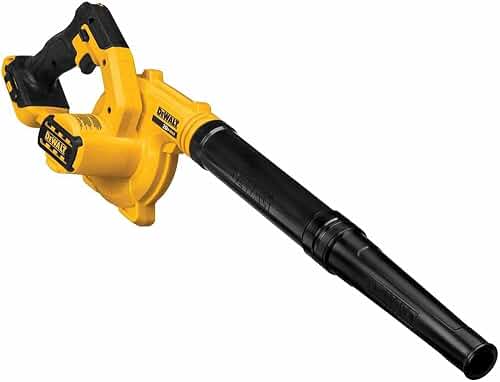
Battery is quieter, lower-maintenance, and now genuinely competitive under 1/3 acre. But gas still wins on sustained high-load work — felling a 12-inch hardwood, blowing wet leaves off 200 ft of driveway, or chewing through 14 inches of heavy, wet snow at 6 a.m.
Heavy snow, mature hardwoods, big acreage, all-day commercial use, deep storage tolerance.
3. Standardize your battery platform
If you're going cordless, pick one voltage family and stay in it. I've watched friends accumulate three incompatible 40V systems and end up with a drawer of dead packs, mismatched chargers, and a graveyard of orphaned tools. Pick a team. Stay loyal. Your wallet will love you for it.
4. Read the duty cycle — not the peak rating
Pressure washers in particular love to advertise peak PSI. Sustained PSI at rated GPM is the honest number. A 3,000 PSI peak unit that holds 2,200 sustained will out-clean a 3,500 peak unit that limps to 1,800 every single time. Peak numbers sell boxes. Sustained numbers clean driveways.
EXPERT TIP
Bring a small notepad to the hardware store. Write down the sustained ratings, the watt-hours (not voltage), and the warranty term on the motor. Three columns. Decision becomes obvious.
5. Buy the safety gear at the same time
Chaps. Hearing protection (chainsaws and backpack blowers regularly clear 100 dB at the operator's ear — that's permanent damage territory). Eye protection. Steel-toe boots if you're felling. Budget it as part of the tool, not an afterthought. The ER visit costs more than the gear.
THE BOTTOM LINE
Buy for the worst day you'll use it, not the average one. Standardize your battery family. Read sustained specs, not peak. And spend the extra forty bucks on hearing protection — your future ears are listening.
Key Takeaways
Choosing the right faq: best lawn, garden and yard power equipment - lawn mowers, string trimmers, leaf blowers, pressure washers, chainsaws, hedge trimmers, wheelbarrows, garden carts, snow blowers means matching the key features to your specific needs and budget
Read real customer reviews and check the return policy before you commit
Compare value across models — the priciest option is not always the best fit
See How It Works
Watch this helpful video to learn more
How To Choose The Right Lawn Mower for Your Yard | Lawn Mower Buying Guide 2020