Specifications and Compatibility
Built only from the product data available to us. Where a figure is not published in that data, it is marked "Not stated."
| Product | Type | Cutting system | Power | Battery included | Price |
|---|---|---|---|---|---|
| Sun Joe 24V-ST14-CT | String trimmer, multi-angle head | Dual line, auto-feed spool | 24V cordless | No (tool only) | $78.37 |
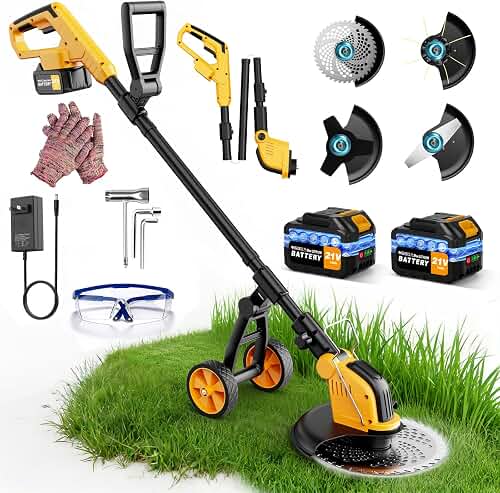
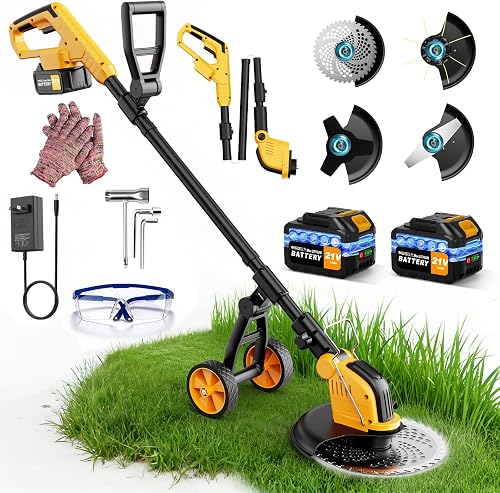
| Brushless 4-in-1 Cordless Weed Wacker Edger | Stringless trimmer / edger / brush cutter | Metal blade, 20000 RPM, 12" | Battery powered | Yes (battery and charger) | $179.99 |
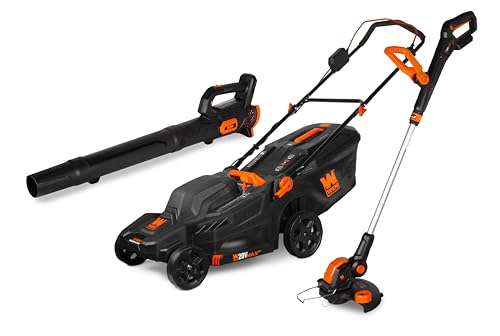
| WEN 20VK3TBM Combo Kit | Mower, string trimmer, and blower kit | Not stated | 20V Max cordless | Yes (two 5Ah batteries, dual-port charger) | $354.99 |
Last Updated: July 31, 2026
The best how to set up string trimmer for your situation depends on how you plan to use it and where.
The Short Answer
To set up a string trimmer, attach the guard first, then load the correct-diameter line onto the spool (or clip in a pre-wound spool), seat the fully charged battery or fill fuel, and confirm the cutting head spins freely before you pull the trigger. On most cordless dual-line models you feed two equal lengths of line through the spool eyelets, wind them in the direction stamped on the head, and lock the spool cover until it clicks.
The whole job takes about ten minutes the first time and two minutes once you know your head. The order matters: guard, line, power, test spin, then cut.
Before You Start: Know Your Head
String trimmers fall into two families, and the setup differs. Most homeowner units use a bump-feed or auto-feed spool that holds nylon line you wind yourself or drop in pre-wound. A smaller group uses a fixed cutting attachment instead of line.
Auto-feed vs. bump-feed
An auto-feed head, like the one on the Sun Joe 24V-ST14-CT, advances line on its own as it wears down, so there is no head to tap on the ground. A bump-feed head releases more line when you tap the spinning head against grass. Both still need line loaded correctly first.
Bladed and stringless heads
Some units skip line entirely. The Brushless 4-in-1 Cordless Weed Wacker uses a metal blade rather than nylon line, which changes setup: you install and torque the blade instead of winding a spool. If your unit is stringless, most of the line-loading steps below do not apply, but the guard and power steps still do.
Step-by-Step Setup
- Read the head label. Every spool head has an arrow and a line-diameter range molded into the plastic. Loading against the arrow or using thick line on a light head is the number one cause of no-feed. Gotcha: the arrow shows winding direction, not spin direction, and they are not always the same.
- Install the guard (debris shield). Bolt or clip the guard to the shaft before anything else. It carries the line-cutoff blade that trims your line to the right length on first spin. Gotcha: running with the guard off lets the line grow past its rated length, which bogs the motor and can throw debris at your shins.
- Assemble the shaft and handle. Slide the two shaft halves together until the locking pin snaps into the hole, then set the auxiliary handle where your forearm is comfortable, roughly hip height when the head is on the ground. Gotcha: if the pin does not click, the halves will separate under vibration.
- Cut your line to length. For a dual-line head, cut two equal pieces (commonly 8 to 10 feet each; follow your manual). Gotcha: uneven lengths cause a wobble you will feel in the handle.
- Load the spool. Feed each line end through its eyelet or anchor slot, then wind evenly in the arrow direction, keeping the two lines in separate channels so they do not cross. Leave about 6 inches poking out of each exit hole. Gotcha: overwinding past the spool rim jams the cover.
- Seat the spool and cover. Press the spool back into the head, thread the line ends out through the eyelets, and push the cover until it clicks on both tabs. Gotcha: a cover seated on only one tab flies off at speed.
- Power up. Charge the battery fully and slide it in until it locks, or fill and prime a gas unit. For the Sun Joe, this is a tool-only 24V model, so the battery and charger must be on hand before setup. Gotcha: a half-seated battery gives intermittent power that mimics a bad trigger.
- Test spin away from your body. Point the head at open ground, squeeze the trigger for a second, and confirm the line-cutoff blade trims both strands to guard length. Gotcha: if line does not spin out, stop and recheck winding direction before you cut.
What Goes Wrong, and What to Do
Line will not feed
Symptom: you bump or trigger and no new line comes out. Cause: line wound backward, welded together from heat, or the spool is empty. Fix: open the head, rewind in the arrow direction with line seated in separate channels, and replace any line that has fused into a solid clump.
Line snaps constantly
Symptom: you lose an inch of line every few seconds. Cause: line too thin for the job, hitting fences and concrete, or old brittle line. Fix: move up to the thickest diameter your head is rated for, keep the tip off hard edges, and store spare line out of the sun so it stays flexible.
Head bogs down or stalls in tall grass
Symptom: the motor slows and the pitch drops when you push into thick growth. Cause: line too long, cutting too deep per pass, or a weak battery charge. Fix: let the guard cutoff set line length, take shallower passes with the tip of the arc, and start with a full charge.
Excessive vibration
Symptom: the handle buzzes hard and your hands go numb. Cause: unequal line lengths, a cracked spool, or a loose shaft coupler. Fix: even up the two line strands, inspect the spool for cracks, and confirm the shaft locking pin is fully engaged.
Cover keeps popping off
Symptom: the spool cover launches mid-cut. Cause: one tab seated instead of both, or a worn tab. Fix: press until you hear two clicks, and replace the cover if a tab is rounded off.
When the Fix Is a New One
Setup problems are usually a five-minute correction. Replacement makes sense when the head itself is worn out, the battery no longer holds a usable charge, or you keep fighting a tool that was never sized for your yard. Here are honest signals, matched to what each option changes for the setup task.
Your spool head is cracked or the auto-feed is dead
If the cover tabs are rounded, the spool is split, or line refuses to advance no matter how you wind it, a fresh auto-feed unit ends the daily fight. The Sun Joe Cordless Multi-Angle Head Dual Line String Trimmer (24V-ST14-CT) uses an auto-feed spool, so there is no head to bump and its multi-angle head simplifies edging setup. It ships as a tool only, so plan for a compatible 24V battery and charger.
You are tired of loading line at all
If winding spools is the part you dread, a stringless design removes the entire line-loading step from setup. The Brushless 4-in-1 Cordless Weed Wacker Edger cuts with a metal blade at 20000 RPM and includes its battery and charger, so setup is install-the-blade rather than wind-the-spool. It also converts to an edger and brush cutter for heavier growth.
Your battery platform is the bottleneck
If you are juggling a trimmer, a mower, and a blower on mismatched batteries, standardizing on one platform cuts setup to a single charge-and-swap routine. The WEN 20V Max Combo Kit (20VK3TBM) pairs a 19-inch mower, a string trimmer, and a leaf blower on shared 20V batteries and ships with two 5Ah packs and a dual-port charger, so every tool powers up from the same charge.
Frequently Asked Questions
What line diameter should I load?
Use the range molded into your trimmer head. Thin line (around 0.065 inch) suits light grass; thicker line (0.080 inch and up) handles weeds but only if the head is rated for it. Loading line thicker than the head allows is a common cause of no-feed and motor bog.
Which way do I wind the spool?
Follow the arrow molded on the spool, not a guess. That arrow shows winding direction, which is opposite to the direction the head spins. Winding the wrong way is the most frequent reason line will not advance.
Do I need to install the guard?
Yes, always. The guard holds the cutoff blade that trims your line to the correct length on the first spin, and it shields you from thrown debris. Running without it lets line grow too long and overload the motor.
My cordless trimmer came without a battery. What do I do?
Tool-only models such as the Sun Joe 24V-ST14-CT need a compatible battery and charger bought separately. Charge the pack fully before first setup, since a partial charge can make a healthy trimmer act like it has a wiring fault.
How do I keep the line from welding together on the spool?
Wind the two strands into their separate channels without overlapping, store spare line away from heat and sunlight, and avoid running the head against concrete, which generates the friction heat that fuses line. Replace any spool where the line has clumped into a solid mass.
Is a stringless or bladed trimmer easier to set up?
For setup specifically, yes, because there is no spool to wind. A bladed unit like the Brushless 4-in-1 replaces line loading with a one-time blade install, though blades demand more care around fences, rocks, and your own feet.
Where can I check if my trimmer model has a safety recall?
Look it up on the official CPSC recalls database using the brand and model number before your first use.
Key Takeaways
- Choosing the right how to set up string trimmer means matching the key features to your specific needs and budget
- Read real customer reviews and check the return policy before you commit
- Also covers: how to load string trimmer line
- Also covers: string trimmer won't feed line
- Also covers: cordless string trimmer setup
- Compare value across models — the priciest option is not always the best fit