| Stat | What It Actually Means |
|---|---|
| 50x | How much more concentrated a 2,800 PSI stream is vs. a kitchen faucet |
| 6,000+ | Estimated annual ER visits in the U.S. linked to pressure washer injuries |
| 0.1 sec | Time it takes the red zero-degree tip to break skin at point-blank range |
| 10 min | All the prep time it takes to do this job safely and beautifully |
Reviewed by the Editorial Team
Last Updated: June 2026 | Written by the Editorial Team
The uncomfortable truth nobody tells beginners: the wand in your hand can shoot water hard enough to slice through a leather work boot like it was wet paper. Treat it like a power tool, and it rewards you with a driveway that looks brand-new. Treat it like a toy, and you get zebra-striped concrete, stripped siding, or a trip to the ER you will never forget.
After running both gas and electric units across driveways, fences, siding, and decks over the past several seasons, our editorial team has watched plenty of beginners chew up their own concrete, blast paint off shutters, and worse, injure their feet with the wrong tip. None of that has to happen to you.
This guide walks through pressure ratings, the color-coded nozzle system, detergent selection, and the safety habits that separate a spotless driveway from a costly mistake. By the end, you will know exactly which tip to grab, how far to stand, and what to NEVER point that wand at.
The Numbers That Should Stop You In Your Tracks
The Real Problem With Pressure Washers (And Why Most Beginners Get Burned)
Pressure washers are deceptive. They look like glorified garden hoses, but a mid-range 2,800 PSI unit produces a stream roughly fifty times more concentrated than your kitchen faucet at full blast. The CDC has documented thousands of pressure washer injuries each year in the United States, with lacerations to the hands and feet topping the list.
The second hidden problem is surface damage that cannot be undone. We have watched first-time users etch permanent zebra stripes into a stamped concrete patio in under a minute, simply by holding the wand too close with the wrong tip. Wood siding fares even worse, sometimes losing entire layers of paint and grain in a single careless pass.
The good news? Every single common mistake is preventable with a ten-minute primer, and you are reading it right now.

Step-by-Step: How to Use a Pressure Washer Like a Pro
1. Match the PSI to the Job (Or Pay the Price)
Pressure washers are rated by two numbers that work together: PSI (pounds per square inch, the cutting force) and GPM (gallons per minute, the rinsing volume). Multiply them and you get Cleaning Units (CU), the honest measure of cleaning power that manufacturers hope you will ignore in favor of the bigger, flashier PSI number on the box.
The Field Guide We Use Every Single Season:
- 1,300 to 1,900 PSI (Light-Duty Electric): cars, patio furniture, grills, window screens, bicycles, garden tools
- 2,000 to 2,800 PSI (Medium-Duty): wood and vinyl siding, fences, wooden decks, lawn equipment
- 2,900 to 3,300 PSI (Heavy-Duty): driveways, sidewalks, oil-stained concrete, weathered brick
- 3,400 PSI and Up (Gas, Professional): paint prep, heavy industrial grime, large commercial slabs
Editorial Tip: If you only own one machine, the 2,000 to 2,800 PSI range is the sweet spot. It handles ninety percent of household jobs without turning your cedar fence into kindling.
2. Learn the Color-Coded Nozzle System By Heart
Every quick-connect pressure washer ships with the same universal color code. Memorize this once and you will never again wonder which tip to grab.
| Color | Spray Angle | Best For | DANGER Level |
|---|---|---|---|
| Red | 0 degrees | Almost nothing (skip it) | EXTREME |
| Yellow | 15 degrees | Stripping paint, heavy concrete stains | High |
| Green | 25 degrees | Driveways, decks, general cleaning | Moderate |
| White | 40 degrees | Siding, windows, cars, gentle surfaces | Low |
| Black | 65 degrees (soap) | Applying detergent at low pressure | Safe |
> The red zero-degree tip is the one that lands people in the emergency room. Most professionals leave it in the box. The green and white tips will handle ninety-five percent of every job you will ever do.
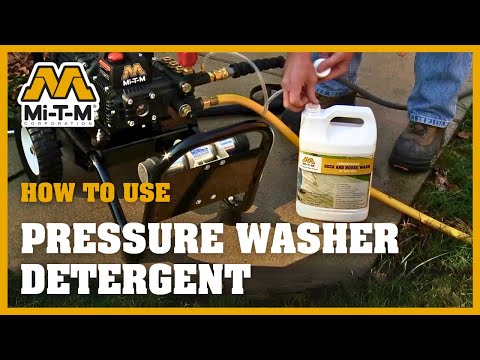
3. Pick the Right Detergent (And Skip the Bleach Mistake)
Plain water removes surface dirt. The detergent does the heavy lifting for grease, algae, mildew, and stuck-on grime. Match the soap to the surface or you will damage one or both.
- House and siding wash: a low-sudsing alkaline cleaner with mildewcide
- Concrete and driveway: degreaser or sodium hydroxide-based formula for oil stains
- Wood deck: oxygen bleach (sodium percarbonate), never chlorine bleach
- Vehicles: pH-neutral car wash soap only, never household detergent
4. Master Your Stance, Distance, and Sweep
Technique separates a clean surface from a damaged one. The wand is not a magic wand, it is a high-pressure cutting tool with a feedback loop on the trigger.
The Four Habits That Define a Pro:
- Start eighteen to twenty-four inches away from any surface and creep closer only if needed
- Sweep in smooth, overlapping passes parallel to the surface, never straight at it
- Keep the wand moving at all times to prevent etching, gouging, or stripe marks
- Test on a hidden corner first every time you change surfaces or nozzles
5. Gear Up Like You Mean It
Pressure washing is not a flip-flop activity. The kickback from a recoiling wand, the slick wet surfaces, and the airborne debris all add up.
- Closed-toe boots with grippy soles (never sneakers, never sandals)
- Safety glasses or full goggles, no exceptions, no shortcuts
- Long pants and a long-sleeved shirt to deflect ricocheted grit
- Hearing protection for any gas-powered unit running above 85 decibels
- Work gloves for grip and to absorb hand fatigue from the trigger
The Seven Things to NEVER Point a Pressure Washer At
- People, pets, or yourself (even at low pressure, even for fun)
- Electrical outlets, meters, or service panels of any kind
- Windows and glass doors at close range or with narrow tips
- Asphalt shingles (you will strip the granules and void the roof warranty)
- Painted surfaces with anything tighter than a forty-degree tip
- AC condenser fins (they bend like aluminum foil and ruin the unit)
- Soft mortar between old bricks (it will wash away in seconds)
Common Beginner Mistakes (And the Easy Fix for Each)
| The Mistake | Why It Hurts | The Fix |
|---|---|---|
| Starting too close | Etches, gouges, and stripes | Start 24 inches back, creep in |
| Using the red tip | Cuts skin, scars surfaces | Leave it in the box |
| Skipping detergent | Wastes hours, damages surface | Soap first, dwell, rinse |
| Spraying upward into siding | Forces water behind panels | Always rinse top-down |
| Running the pump dry | Burns out the seals fast | Connect water before starting |
| No eye protection | Flying debris hits the face | Goggles on, always |
Frequently Asked Questions
Do I really need to winterize an electric pressure washer? Absolutely. Frozen water inside the pump will crack the housing and end the machine in one cold night. Run pump antifreeze through it or store it somewhere above freezing.
Why is my pressure washer pulsing or losing pressure? Nine times out of ten it is air in the line, a clogged nozzle, a kinked hose, or low water supply. Check the inlet filter first, then swap the tip, then bleed the line.
Gas or electric for a beginner? Electric for anyone with a driveway, deck, and siding routine. Gas only if you are tackling commercial slabs, paint prep, or large acreage with no nearby outlet.
The Bottom Line
A pressure washer is the single most satisfying power tool a homeowner can own. There is nothing else that transforms a grimy driveway into a brand-new slab in under an hour, or makes a weathered fence look like the day it was installed.
But respect comes first. Match the PSI, grab the right colored tip, keep the wand moving, and never point it at anything you would not point a circular saw at. Do that, and your pressure washer will outlast three lawn mowers and earn its shed space ten times over.
Now go make your driveway look brand new.
Key Takeaways
- Choosing the right how to use a pressure washer safely means matching the key features to your specific needs and budget
- Read real customer reviews and check the return policy before you commit
- Also covers: pressure washer nozzle guide
- Also covers: best pressure washer detergent
- Also covers: pressure washer PSI for concrete
- Compare value across models — the priciest option is not always the best fit